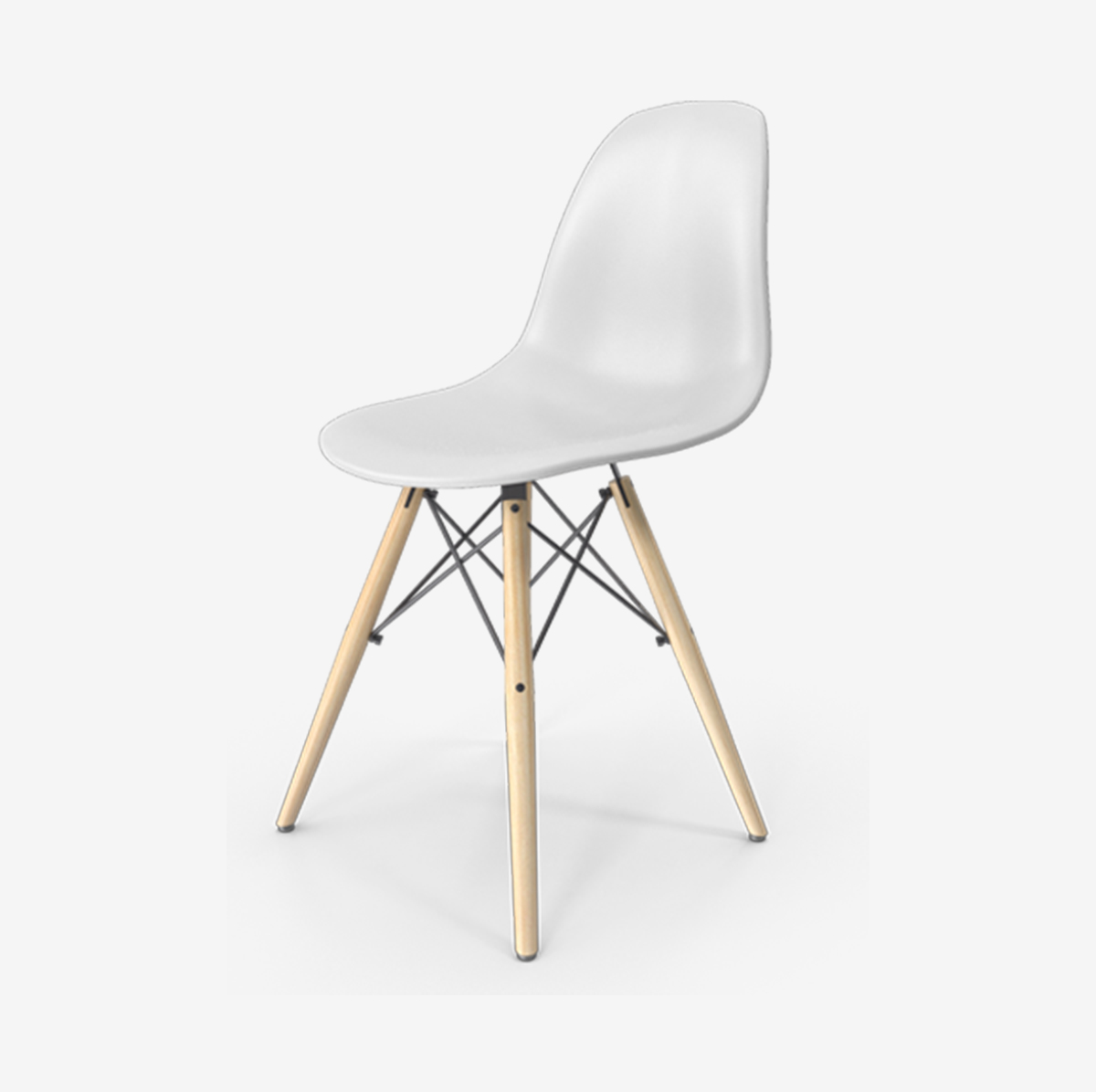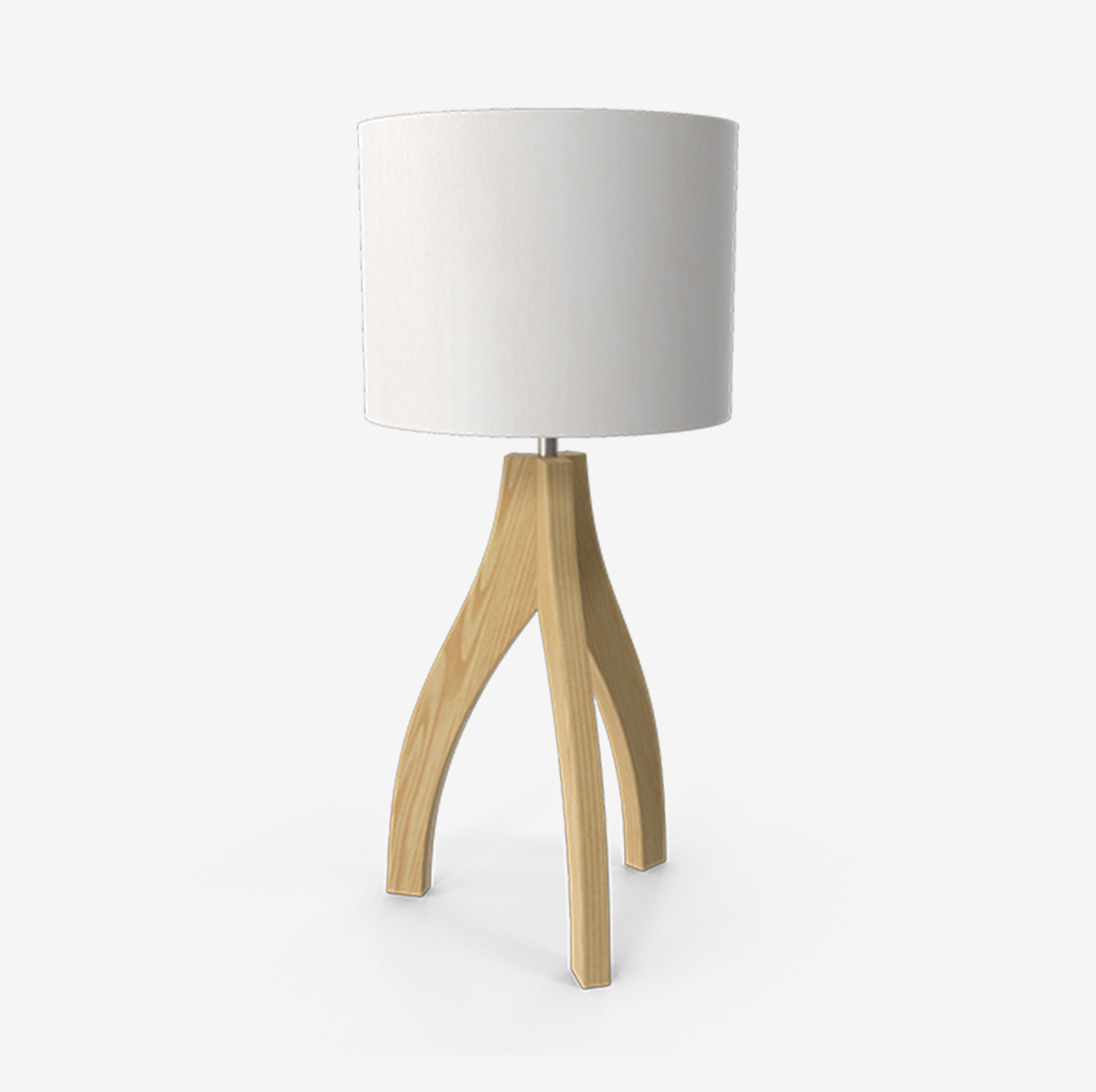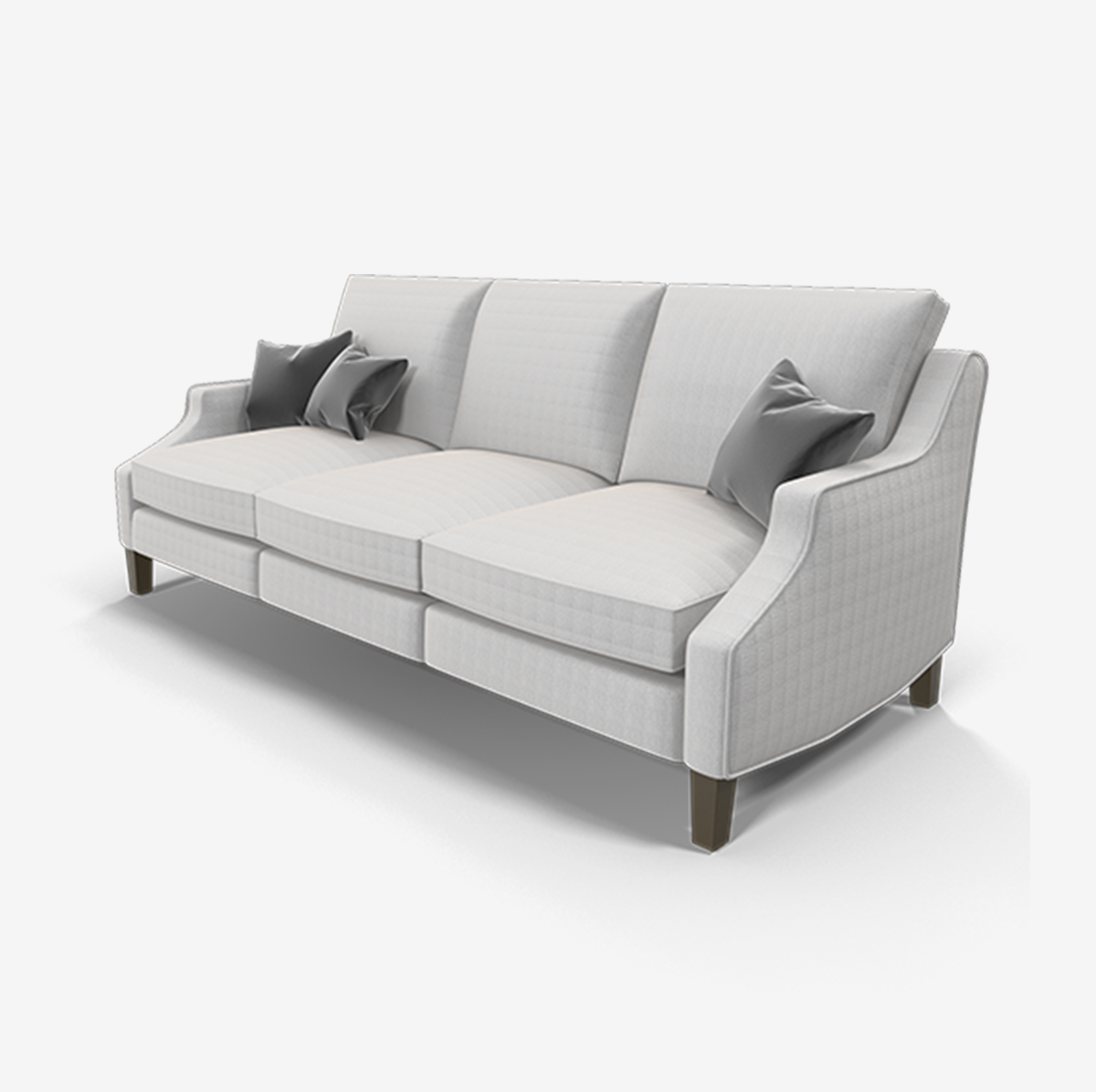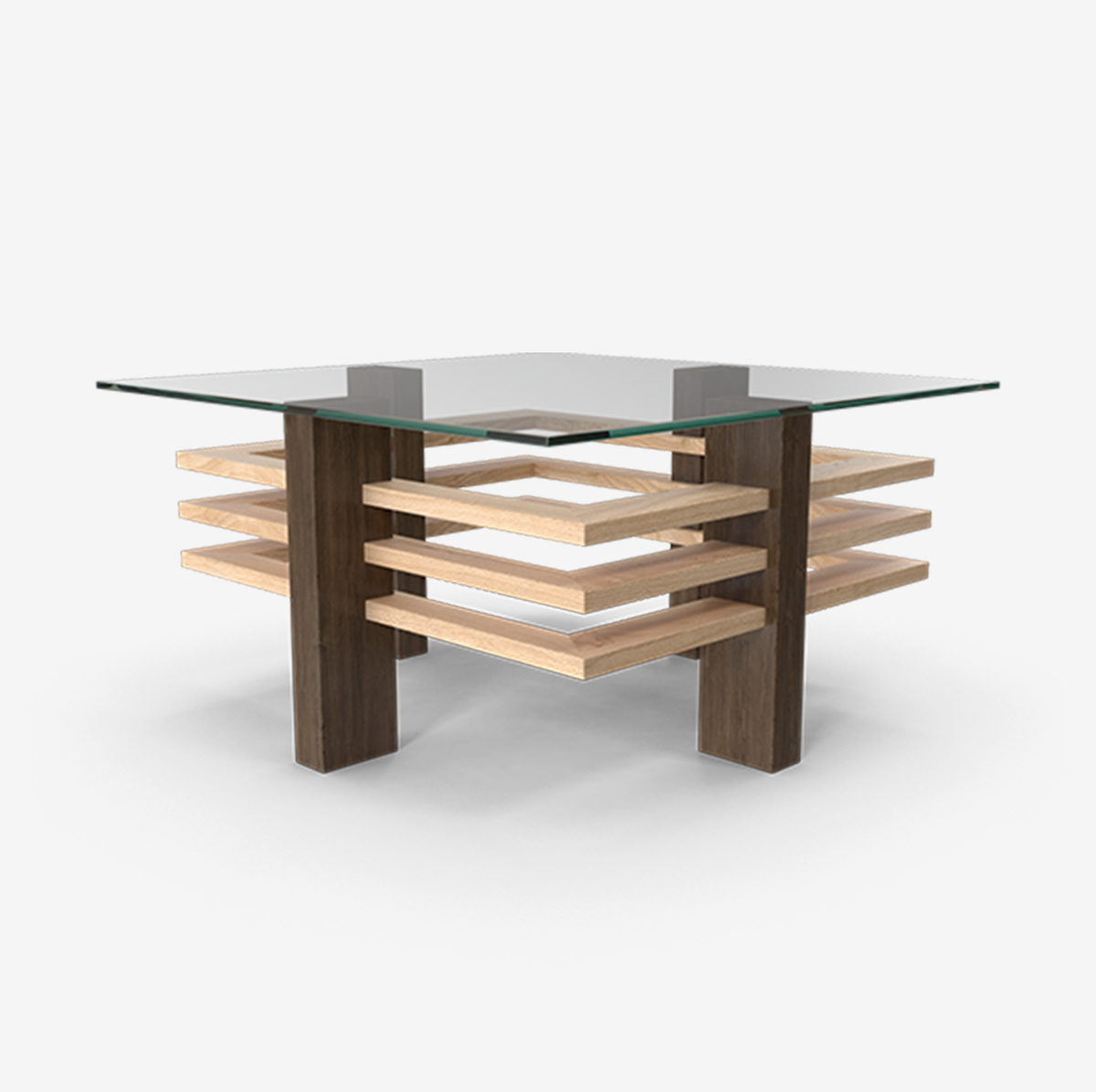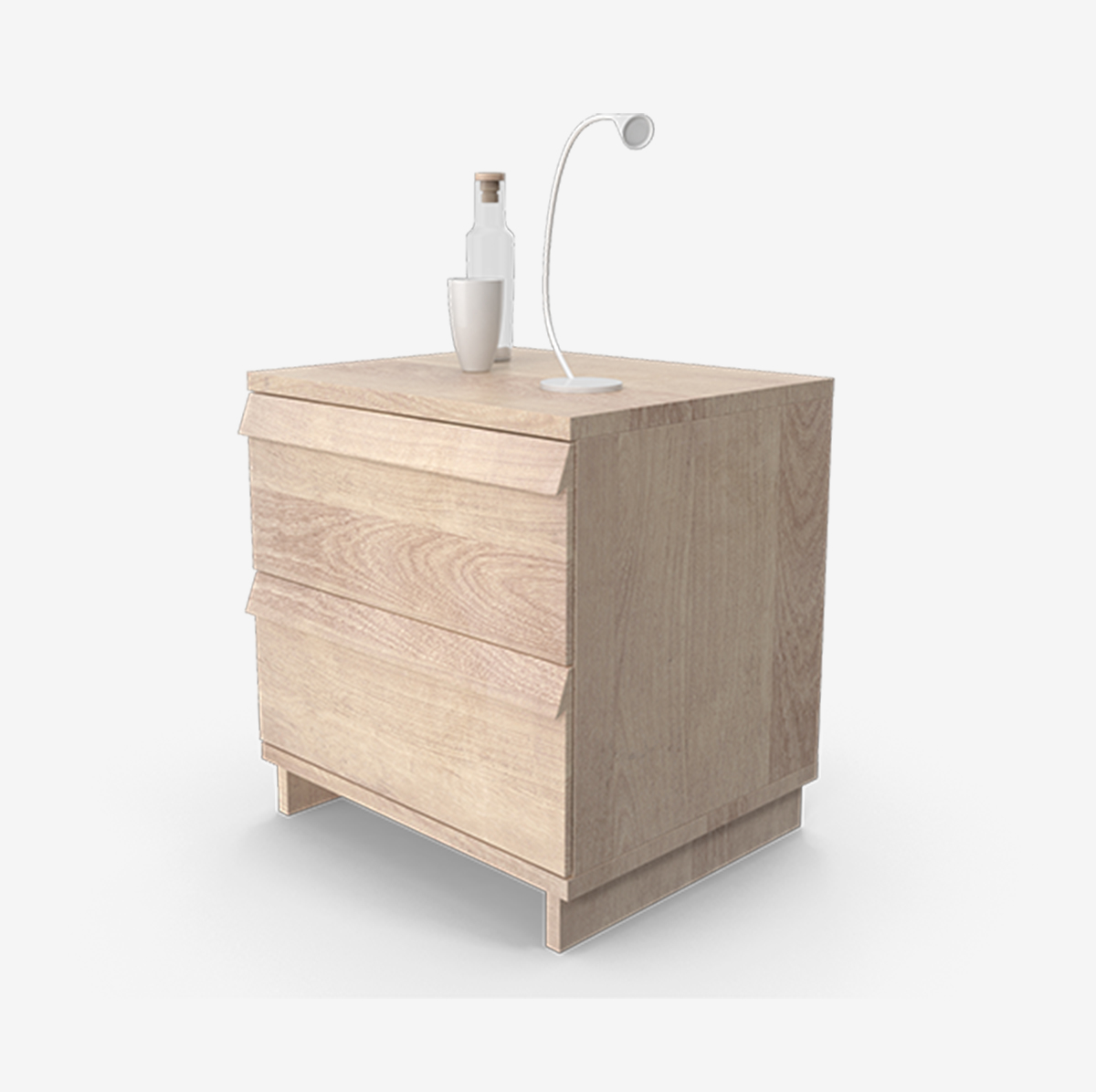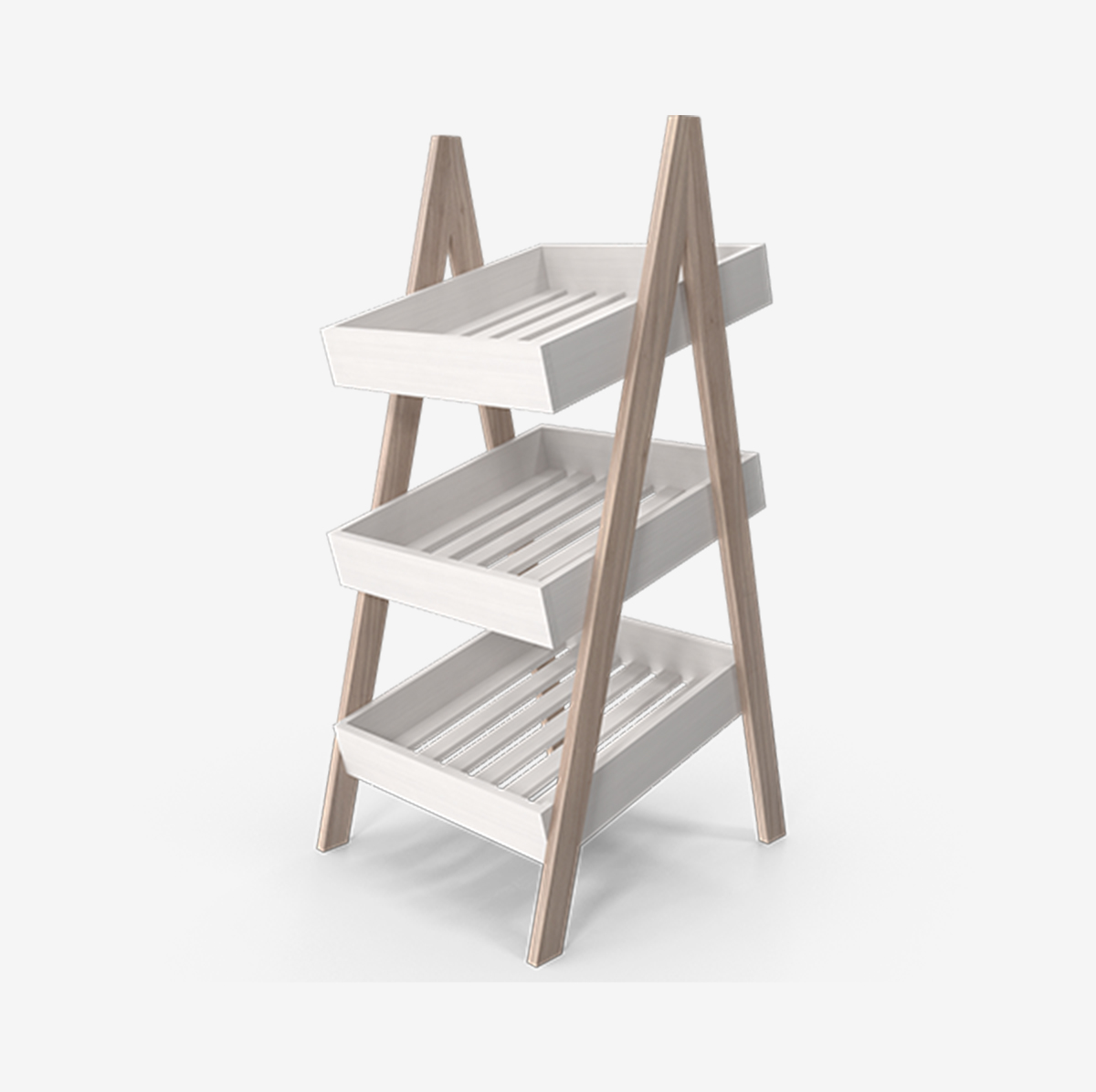
- Comfortable living spaces featuring the-spinkings.co.uk and modern design inspiration
- The Evolution of Modern Interior Design
- The Impact of Scandinavian Design
- Color Palettes and Material Choices
- The Psychology of Color
- Lighting and Spatial Arrangement
- Optimizing Space with Furniture Layout
- Integrating Technology Seamlessly
- Beyond Aesthetics: Creating Functional Living Spaces for the Future
Comfortable living spaces featuring the-spinkings.co.uk and modern design inspiration
the-spinkings.co.uk. Creating a comfortable and aesthetically pleasing living space is a goal for many homeowners. The desire for a home that is both functional and beautiful often leads individuals to explore various design styles and sources of inspiration. Finding the right resources to guide this process can be challenging, but websites like
The key to successful interior design lies in understanding your personal preferences and lifestyle needs. It's not about blindly following trends but rather creating a space that reflects your unique personality and supports your daily activities. Effective planning, smart furniture choices, and thoughtful use of color and texture are all essential elements. Considering factors like natural light, spatial arrangement, and storage solutions are also crucial for optimizing functionality and creating a harmonious atmosphere. Many individuals find that seeking inspiration from online platforms and working with design professionals can help them achieve their desired aesthetic.
The Evolution of Modern Interior Design
Modern interior design has undergone a significant evolution over the past few decades, moving away from overly ornate styles towards a more minimalistic and functional aesthetic. Initially influenced by the Bauhaus movement in the early 20th century, which emphasized form following function, modern design prioritizes simplicity, clean lines, and the use of natural materials. This approach stood in stark contrast to the elaborate Victorian and Edwardian styles that preceded it. The mid-century modern period further refined these principles, incorporating organic shapes and bold colors, often utilizing materials like wood, metal, and glass. Contemporary design, a continuation of modernism, incorporates elements from various styles, often embracing eclecticism and a more personalized approach.
The Impact of Scandinavian Design
Scandinavian design, a prominent subset of modern design, has had a profound impact on interior aesthetics worldwide. Originating from the Nordic countries – Denmark, Finland, Norway, Sweden, and Iceland – this style emphasizes functionality, simplicity, and a connection to nature. Key characteristics include light color palettes, natural materials like wood and linen, and a focus on creating cozy and inviting spaces. The concept of “hygge,” a Danish word encompassing feelings of comfort, contentment, and well-being, is central to Scandinavian design and its emphasis on creating a warm and inviting atmosphere. This influence is visible in current trends favoring neutral tones, natural textures, and minimalist furnishings.
| Design Style | Key Characteristics | Origin |
|---|---|---|
| Modern | Simplicity, clean lines, functionality | Early 20th Century (Bauhaus) |
| Mid-Century Modern | Organic shapes, bold colors, natural materials | Mid-20th Century |
| Scandinavian | Functionality, simplicity, natural materials, hygge | Nordic Countries |
| Contemporary | Eclectic, personalized, blends various styles | Present Day |
The selection of furniture plays a vital role in shaping the overall look and feel of a living space within any of these styles. It’s important to invest in pieces that are both aesthetically pleasing and functionally sound, considering the size and layout of the room. Choosing quality materials and timeless designs can ensure that furniture remains stylish and durable for years to come. Moreover, the careful arrangement of furniture can enhance the flow of movement and create a more inviting and comfortable atmosphere. Resources like
Color Palettes and Material Choices
The choice of color palettes and materials can dramatically impact the ambiance of a room. Neutral color schemes, such as whites, grays, and beiges, provide a versatile foundation for any design style, creating a sense of spaciousness and tranquility. Accent colors can be introduced through artwork, accessories, or accent walls to add personality and visual interest. Natural materials, like wood, stone, and linen, bring warmth and texture to a space, creating a connection to the outdoors. The use of sustainable and eco-friendly materials is also becoming increasingly popular, reflecting a growing awareness of environmental concerns. Careful consideration of light sources, both natural and artificial, is essential for maximizing the impact of color and material choices.
The Psychology of Color
Color psychology plays a significant role in interior design, as different colors can evoke a range of emotions and influence mood. For example, blue is often associated with calmness and serenity, making it a popular choice for bedrooms and bathrooms. Green is linked to nature and growth, creating a sense of freshness and tranquility. Yellow is known for its uplifting and energizing qualities, while red can stimulate passion and excitement. Understanding the psychological effects of different colors can help you create a space that promotes the desired atmosphere and supports your well-being. Utilizing a color wheel can promote the balanced execution of a color scheme.
- Neutral Colors: Whites, grays, and beiges provide a timeless and versatile base.
- Warm Tones: Reds, oranges, and yellows create a cozy and inviting atmosphere.
- Cool Tones: Blues, greens, and purples promote calmness and serenity.
- Accent Colors: Used sparingly to add personality and visual interest.
When choosing materials, consider not only their aesthetic appeal but also their durability, maintenance requirements, and environmental impact. Hardwood floors, for example, are a classic choice that adds warmth and character to a space, but they require regular maintenance. Tile is a durable and low-maintenance option, ideal for kitchens and bathrooms. Upholstery fabrics should be chosen based on their durability, stain resistance, and comfort. Balancing aesthetic preferences with practical considerations is key to creating a space that is both beautiful and functional.
Lighting and Spatial Arrangement
Effective lighting is crucial for creating a comfortable and inviting atmosphere in any home. A combination of ambient, task, and accent lighting is essential for providing adequate illumination and highlighting key features. Ambient lighting, such as overhead fixtures and recessed lights, provides general illumination. Task lighting, such as table lamps and under-cabinet lights, focuses light on specific areas for activities like reading or cooking. Accent lighting, such as spotlights and wall sconces, draws attention to artwork or architectural details. Taking advantage of natural light is also important; maximizing window space and using sheer curtains can help bring the outdoors in.
Optimizing Space with Furniture Layout
The arrangement of furniture can significantly impact the flow of movement and the overall feel of a room. Creating a focal point, such as a fireplace or a large window, can help anchor the space and draw the eye. Arranging furniture in a conversational grouping promotes social interaction, while leaving ample space for walking around ensures easy navigation. Avoiding overcrowding is essential; too much furniture can make a room feel cramped and claustrophobic. When navigating a smaller space, it’s best to choose furniture that’s appropriately sized, and to maximize vertical space with shelving or tall storage units. Exploring different furniture arrangements before committing to a final layout can help you discover the most functional and aesthetically pleasing configuration.
- Define the Focal Point: Identify the primary visual element in the room.
- Create Conversation Areas: Arrange furniture to encourage interaction.
- Ensure Easy Navigation: Leave ample space for walking around.
- Avoid Overcrowding: Choose furniture that’s appropriately sized.
Incorporating personal touches, such as artwork, photographs, and family heirlooms, can make a house feel like a home. These items add character and personality to a space, reflecting your unique interests and experiences. Displaying collections, showcasing hobbies, and incorporating travel souvenirs can all contribute to a more personalized and inviting atmosphere. Remember to strike a balance between displaying cherished possessions and maintaining a clutter-free environment; too much clutter can detract from the overall aesthetic and create a sense of overwhelm.
Integrating Technology Seamlessly
Modern living often requires incorporating technology into our living spaces. However, it's important to do so seamlessly, avoiding a cluttered or impersonal feel. Concealing wires and cables, utilizing smart home devices, and integrating entertainment systems into the overall design are all effective strategies. Smart lighting systems, for example, can provide customizable illumination and energy savings. Hidden speakers and integrated audio systems can provide immersive sound without disrupting the aesthetic of a room. Choosing furniture with built-in charging ports and cable management solutions can help keep devices organized and within reach. Websites like
The incorporation of biophilic design, which focuses on connecting people with nature, is another growing trend in interior design. Bringing elements of the natural world into the home, such as plants, natural light, and organic materials, can have a positive impact on well-being. Studies have shown that exposure to nature can reduce stress, improve mood, and enhance creativity. Incorporating indoor plants, using natural textures like wood and stone, and maximizing natural light are all effective ways to integrate biophilic design into your home. The blending of indoor and outdoor spaces, such as creating a seamless transition from a living room to a patio, can further enhance this connection to nature.
Beyond Aesthetics: Creating Functional Living Spaces for the Future
Thinking beyond immediate aesthetic appeal and planning for future needs is paramount in creating truly successful living spaces. Flexibility and adaptability are key considerations, especially in rapidly changing lifestyles. Multi-functional furniture, such as sofa beds and expandable dining tables, can maximize space and accommodate various activities. Designing rooms that can be easily repurposed can future-proof your home, allowing it to adapt to evolving needs. For instance, a guest room could be converted into a home office or a playroom as circumstances change. Considering accessibility and universal design principles can also ensure that your home remains comfortable and functional as you age.
The concept of mindful consumption plays an increasing role in design choices. Selecting durable, high-quality items that will withstand the test of time, rather than disposable trends, promotes sustainability and reduces waste. Supporting local artisans and businesses contributes to a more ethical and responsible approach to interior design. Investing in pieces with stories and character adds a unique element to your home, while minimizing your environmental impact. Thoughtful design isn't simply about creating a visually appealing space; it’s about crafting an environment that supports a healthy, sustainable, and fulfilling lifestyle. This holistic approach, focusing on the long term, yields a truly valuable and enriching home.