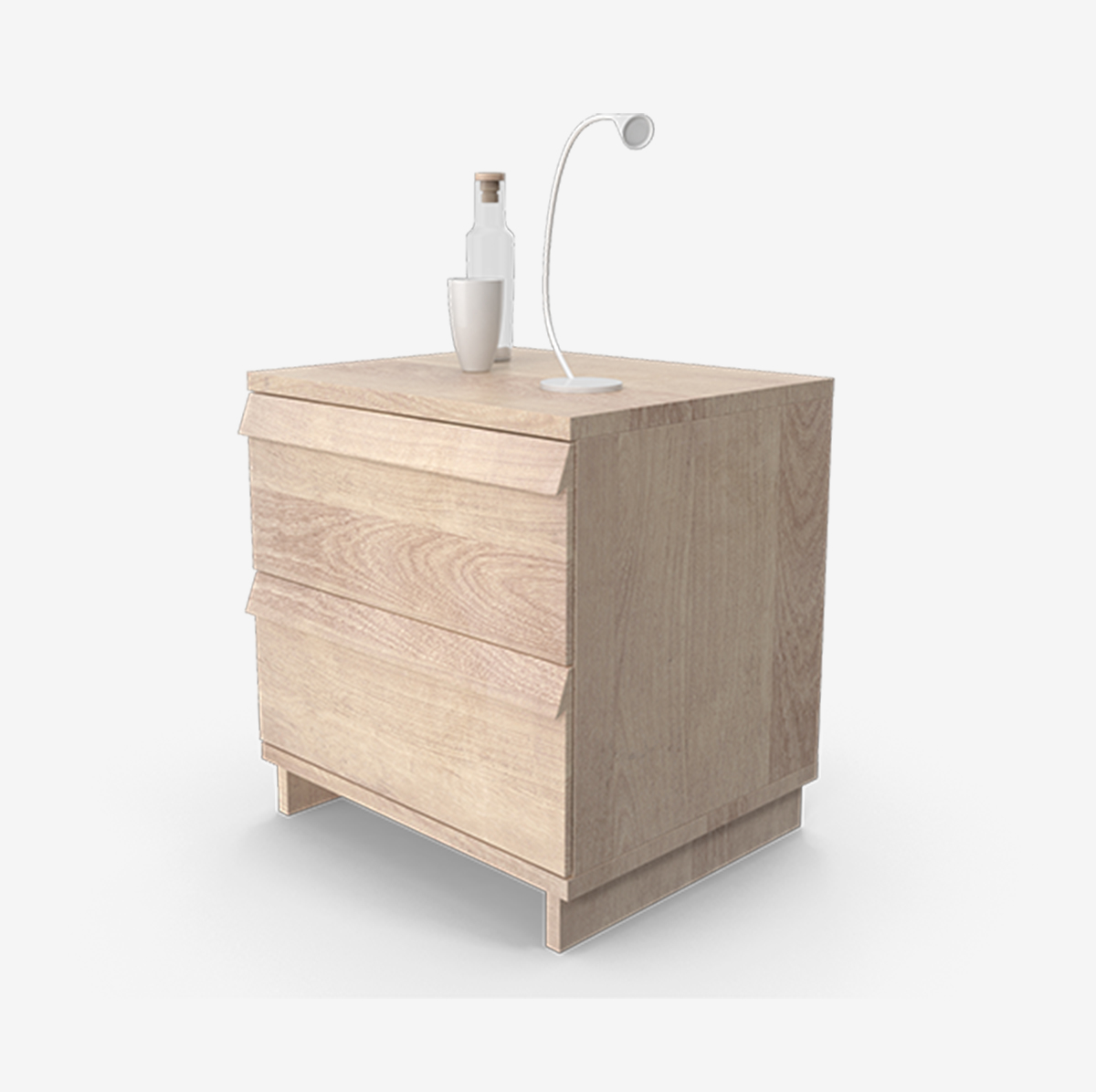
- Remarkable style choices with thespinkings.co.uk and modern home inspiration
- The Appeal of Mid-Century Modern Aesthetics
- Integrating Vintage and New Pieces
- The Power of Textural Layers
- Mixing Materials for Visual Appeal
- Color Psychology and Interior Design
- Creating Mood Through Color Schemes
- The Growing Trend of Biophilic Design
- Sustainable Choices in Home Décor
Remarkable style choices with thespinkings.co.uk and modern home inspiration
Creating a truly inspiring and comfortable home environment is a goal many share, and achieving that often involves careful consideration of style and functionality. The aesthetic choices we make reflect our personalities and create the atmosphere in which we live, work, and relax. Online resources play an increasingly crucial role in this process, offering a wealth of ideas and, importantly, providing access to vendors who can help bring those visions to life. For those seeking curated and distinctive pieces, thespinkings.co.uk presents a compelling destination for modern home inspiration and unique stylistic elements.
The beauty of contemporary home design lies in its flexibility – its ability to blend various influences and cater to individual preferences. Whether you lean towards minimalist chic, bohemian warmth, or a more classic approach, the key is to create a space that feels authentic to you. This requires a keen eye for detail, a willingness to experiment, and the resourcefulness to source items that truly complement your overall vision. Exploring different online platforms and design blogs can spark creativity and introduce you to new possibilities, ultimately leading to a more harmonious and personalized living space. It’s about creating a sanctuary, a place that nurtures well-being, and reflects your unique story.
The Appeal of Mid-Century Modern Aesthetics
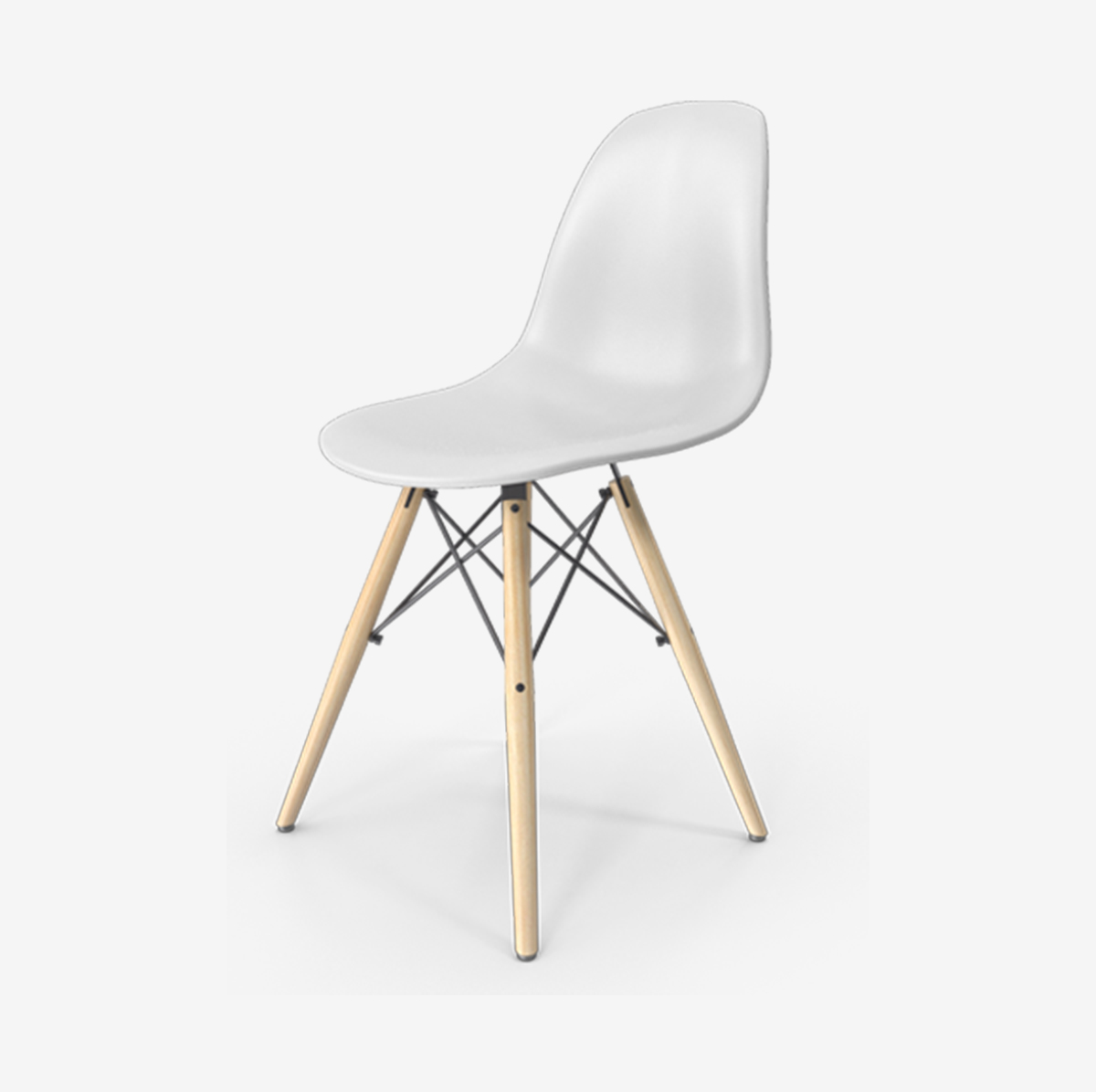
Mid-century modern design continues to exert a powerful influence on contemporary interiors. Characterized by clean lines, organic shapes, and a focus on functionality, this aesthetic offers a timeless appeal that resonates with many homeowners. It represents a period of optimistic design and a belief in the power of good design to improve everyday life. The use of natural materials, such as wood and leather, alongside innovative materials like fiberglass and plastic, created a distinctive look that remains fresh and relevant today. This style isn’t about strict adherence to rules, but rather about incorporating elements that evoke the spirit of the era – a sense of simplicity, elegance, and practicality. Key to embracing this aesthetic is understanding how to balance these elements in a modern context.
Integrating Vintage and New Pieces
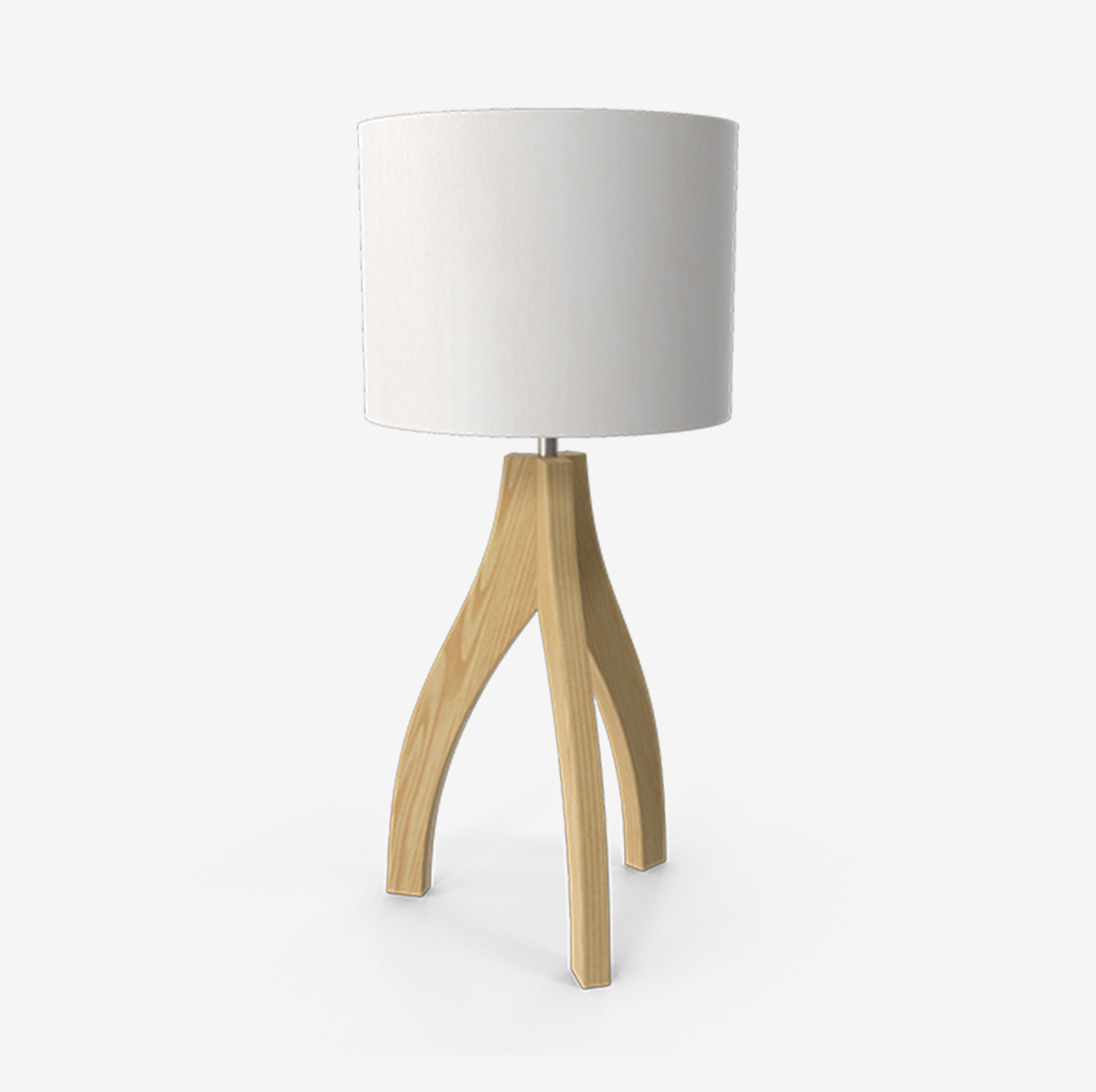
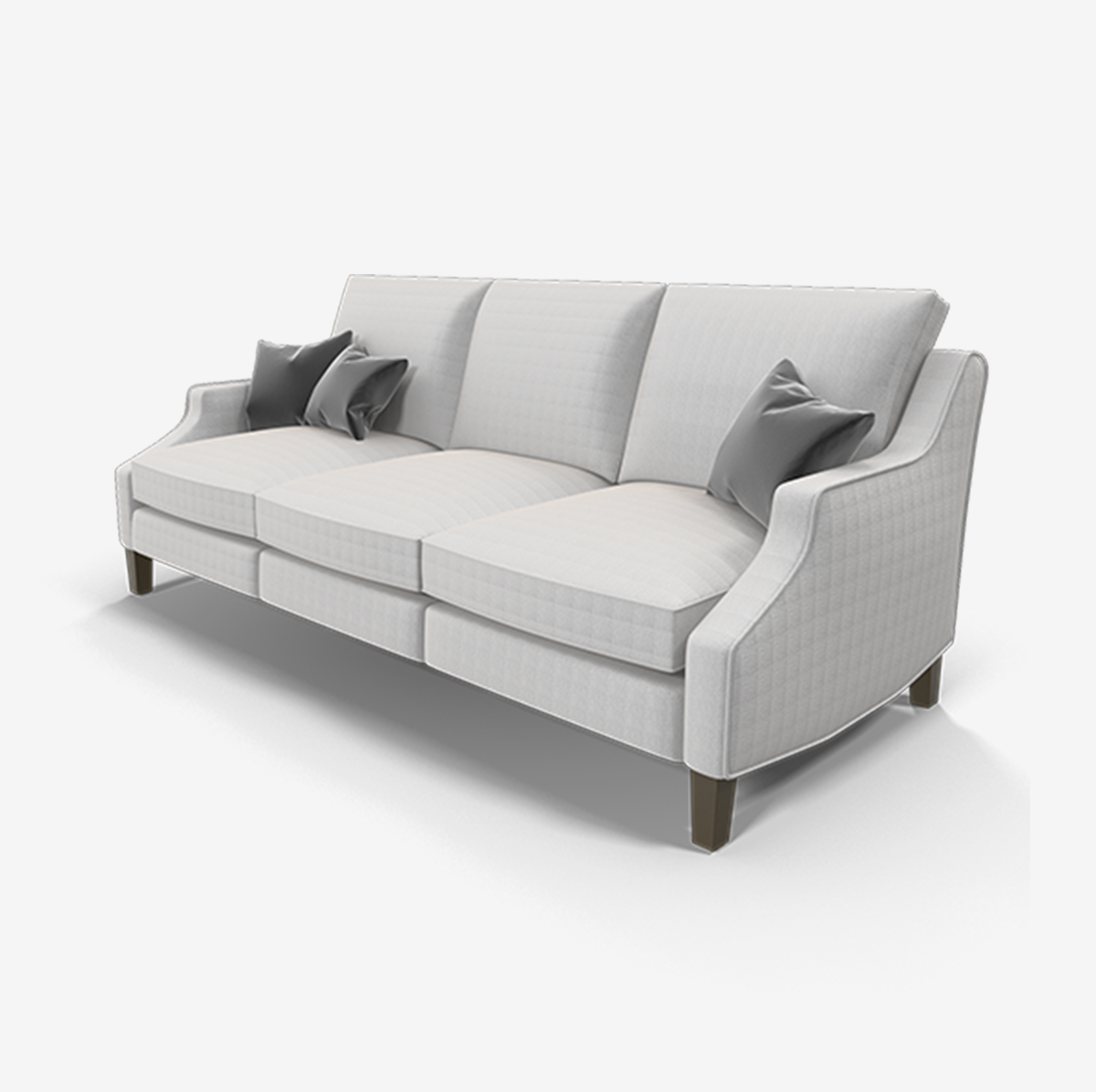
Successfully incorporating mid-century modern design doesn't necessarily require a complete overhaul. Often, the most compelling spaces result from a curated mix of vintage finds and contemporary pieces. Scouring antique stores, flea markets, and online auction sites can unearth unique treasures that add character and authenticity. However, it’s essential to select pieces that complement your existing décor and avoid creating a cluttered or disjointed look. Pairing a vintage armchair with a modern sofa, or a retro-style lamp with a contemporary coffee table, can create a sophisticated and balanced aesthetic. The key is to understand proportion, scale, and color palettes to ensure these elements blend seamlessly.
| Furniture | Clean lines, tapered legs, organic shapes, focus on functionality. |
| Materials | Wood (teak, walnut), leather, fiberglass, plastic, metal. |
| Color Palette | Earthy tones (olive green, mustard yellow, burnt orange), muted pastels, neutral grays, and whites. |
| Accessories | Geometric patterns, abstract art, sculptural lighting, indoor plants. |
The table above highlights the core components of the mid-century modern aesthetic, providing a helpful guide for incorporating this timeless style into your home. Consider incorporating a statement piece, maybe a credenza, to anchor the look.
The Power of Textural Layers
Beyond color and furniture style, texture plays a vital role in creating a warm and inviting living space. Layering different textures adds depth and visual interest, transforming a room from feeling flat and sterile to cozy and sophisticated. This can be achieved through a variety of elements, including rugs, curtains, throws, pillows, and wall coverings. For instance, pairing a smooth velvet sofa with a chunky knit throw and a textured rug can create a luxurious and inviting atmosphere. Don't underestimate the power of natural textures like wood, stone, and woven fibers, as these add organic warmth and grounding to a space. The careful selection of textures will often define the mood of a room.
Mixing Materials for Visual Appeal
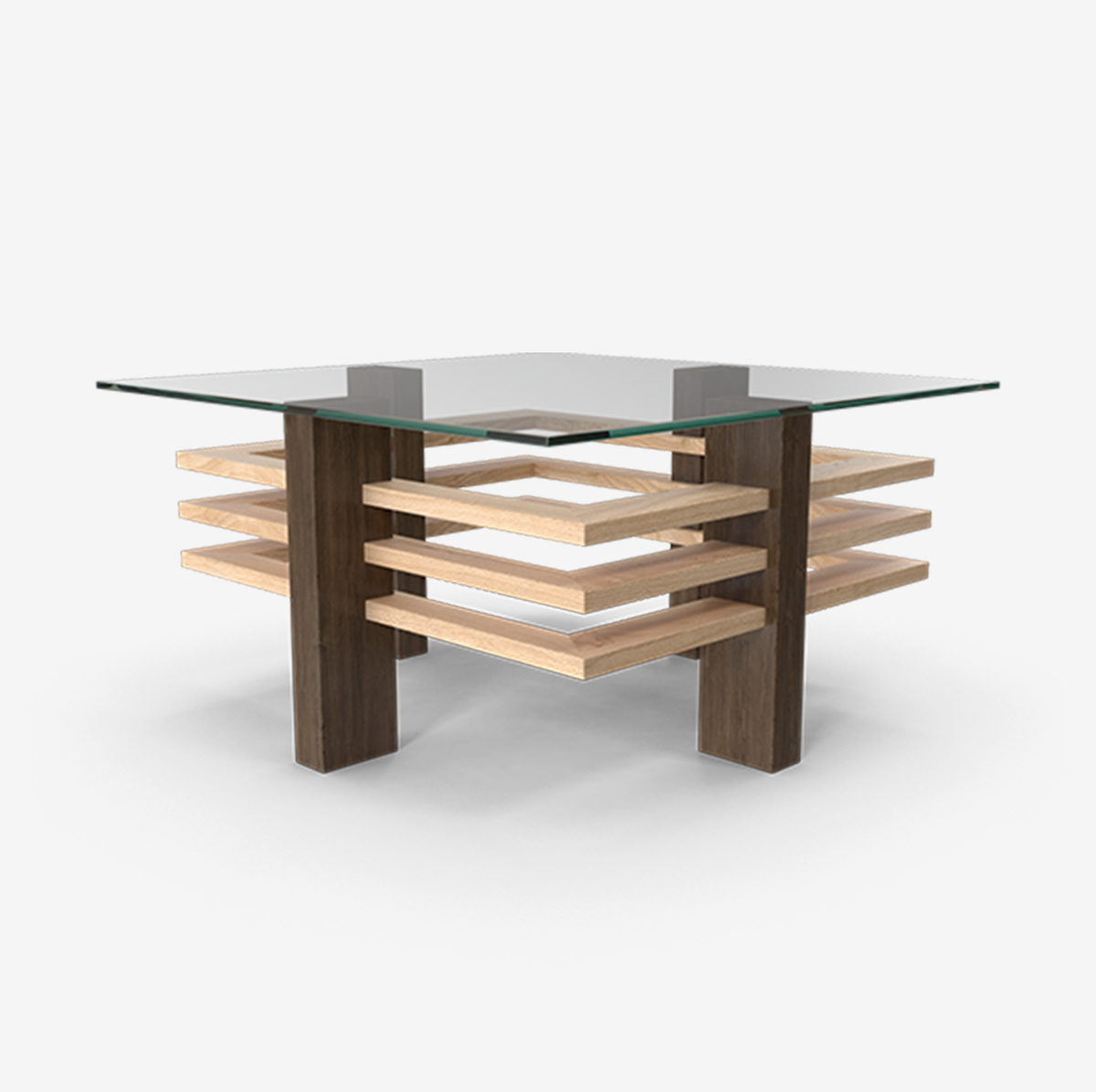
Experimenting with different materials is crucial when layering textures. Combining contrasting materials can create a dynamic and visually engaging space. For example, pairing the coolness of metal with the warmth of wood, or the smoothness of glass with the roughness of linen, can create a harmonious tension. Consider the interplay of light and shadow on different textures, as this can further enhance their visual impact. Within the realm of textiles, a great way to introduce texture is through varying weave densities, knit patterns, or embossed designs. Don’t be afraid to incorporate unexpected combinations of materials – the goal is to create a space that feels both curated and comfortable.
- Rugs: Add warmth, define spaces, and introduce texture.
- Curtains: Soften light, add privacy, and contribute to the overall aesthetic.
- Throws and Pillows: Provide comfort and visual interest, allowing for seasonal updates.
- Wall Coverings: Introduce texture and pattern, creating a focal point or adding depth.
- Natural Materials: Wood, stone, linen, and wool bring organic warmth and sophistication.
Using these elements strategically will completely change the feel of a room, and can offer a sense of depth that wasn’t present before. Remember to consider the scale of the textures to ensure a balanced and harmonious look.
Color Psychology and Interior Design
The colors we surround ourselves with have a profound impact on our mood and emotions. Understanding the principles of color psychology can be incredibly valuable when designing or renovating a home. Warm colors, such as reds, oranges, and yellows, tend to evoke feelings of energy, excitement, and warmth, making them ideal for social spaces like living rooms and dining areas. Cool colors, such as blues, greens, and purples, are often associated with calmness, serenity, and tranquility, making them well-suited for bedrooms and bathrooms. Neutral colors, such as grays, whites, and beiges, provide a versatile backdrop for layering colors and textures, and can create a sense of spaciousness and sophistication. Ultimately, the best color palette is the one that resonates with your personal preferences and creates the desired atmosphere.
Creating Mood Through Color Schemes
Developing a cohesive color scheme involves careful consideration of different color combinations and their psychological effects. Monochromatic schemes, using variations of a single color, can create a sense of harmony and sophistication. Complementary schemes, using colors that are opposite each other on the color wheel (e.g., blue and orange), can create a bold and vibrant contrast. Analogous schemes, using colors that are adjacent to each other on the color wheel (e.g., blue, blue-green, and green), can create a harmonious and relaxing atmosphere. It's also important to consider the amount of natural light in a room and how that will affect the appearance of colors. Small samples should be tested in the space to observe how the colors look at different times of the day. Experimentation is key to finding the perfect color scheme.
- Identify your desired mood and atmosphere.
- Choose a dominant color that reflects that mood.
- Select complementary or analogous colors to create a balanced scheme.
- Consider the amount of natural light in the space.
- Test color samples before committing to a final decision.
Following these steps will give you a foundation for building a color scheme that compliments your personal style. Remember, color is a powerful tool that can transform any space.
The Growing Trend of Biophilic Design
Biophilic design, the practice of connecting people with the natural environment, is experiencing a surge in popularity. This approach recognizes the inherent human need to connect with nature and incorporates natural elements into built environments. This can be achieved through the use of natural materials, such as wood, stone, and bamboo, as well as through the incorporation of plants, natural light, and views of nature. Biophilic design has been shown to reduce stress, improve cognitive function, and enhance overall well-being. This isn't just about aesthetics; it’s about creating spaces that actively support our health and happiness. It's a growing realization that our homes shouldn't be isolated from the natural world, but rather an extension of it.
Incorporating biophilic principles into your home doesn’t require a drastic transformation. Simple changes, such as adding indoor plants, maximizing natural light, and using natural materials, can make a significant difference. Consider incorporating natural patterns and textures into your décor, and creating spaces that offer views of nature. For example, a strategically placed window overlooking a garden or a park can provide a sense of calm and tranquility. As people become more aware of the benefits of biophilic design, it's likely to become an increasingly important consideration in home design trends. Resources like thespinkings.co.uk can offer inspiration and products that align with this ethos.
Sustainable Choices in Home Décor
More and more homeowners are prioritizing sustainability when making décor choices. This involves selecting products that are environmentally friendly, ethically sourced, and designed to last. This could include choosing furniture made from reclaimed wood, opting for organic fabrics and materials, and supporting brands that prioritize fair labor practices. Sustainable design isn’t just about reducing our environmental impact; it’s also about creating healthier and more comfortable living spaces. By focusing on quality, durability, and ethical sourcing, we can create homes that are both beautiful and responsible. The long-term benefits of these choices extend far beyond aesthetics.
When choosing sustainable décor, look for certifications like FSC (Forest Stewardship Council) for wood products and GOTS (Global Organic Textile Standard) for organic fabrics. Consider the entire lifecycle of a product, from sourcing and production to transportation and disposal. Supporting local artisans and businesses can also reduce your carbon footprint and contribute to a more sustainable economy. Embracing a minimalist approach to decorating can also reduce consumption and waste. Small changes, like opting for reusable alternatives to disposable items, can add up to a significant impact. By making conscious choices, we can create homes that are aligned with our values and contribute to a more sustainable future.